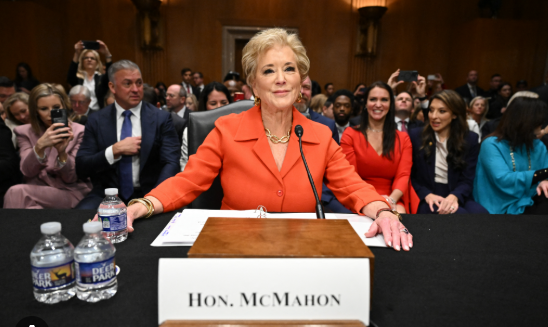
Education policy continues to evolve as federal and state leaders work to improve student achievement, strengthen school systems, and ensure that education funding supports meaningful outcomes. One recent area of discussion is the McMahon Education Priorities Supplemental, a set of guidelines introduced by U.S. Secretary of Education Linda McMahon to help shape the direction of federal discretionary grant programs.
The McMahon Education Priorities Supplemental emphasizes evidence-based literacy, expanding education choice, and increasing state and local decision-making authority. Rather than creating new laws, these supplemental priorities provide guidance on how certain discretionary education grants may be evaluated and administered within the U.S. Department of Education.
This article explains the purpose of the McMahon Education Priorities Supplemental, its major focus areas, potential impact on schools and educational organizations, and why these priorities have become an important topic in education policy discussions.
What Is the McMahon Education Priorities Supplemental?
The McMahon Education Priorities Supplemental is a policy guidance document introduced by U.S. Secretary of Education Linda McMahon. It establishes supplemental priorities that may be considered when awarding selected federal discretionary education grants.
These priorities are intended to encourage programs and projects that align with specific education objectives while giving applicants a clearer understanding of the department’s policy direction.
Unlike federal statutes or regulations, supplemental priorities primarily guide discretionary funding decisions rather than creating legal requirements for schools or states.
Why Were the Supplemental Priorities Introduced?
Federal education grants often support innovative programs, research initiatives, teacher development, and school improvement projects.
The supplemental priorities aim to encourage grant proposals that focus on:
- Improving student achievement
- Supporting evidence-based instructional practices
- Expanding educational opportunities
- Increasing flexibility for states
- Promoting effective use of federal funding
These objectives help align grant funding with broader education goals established by the Department of Education.
Evidence-Based Literacy
One of the central themes of the McMahon Education Priorities Supplemental is improving literacy through evidence-based instruction.
Evidence-based literacy programs generally emphasize:
- Reading comprehension
- Phonics instruction
- Vocabulary development
- Writing skills
- Early reading intervention
- Research-supported teaching practices
Strong literacy skills provide the foundation for academic success across all subject areas, making literacy improvement an important educational priority.
Expanding Education Choice
Another significant focus is expanding education choice for families.
Education choice may include options such as:
- Public charter schools
- Magnet schools
- Open enrollment opportunities
- Specialized academic programs
- Career and technical education pathways
- Other state-approved educational options
The goal is to provide families with access to educational environments that best meet students’ learning needs while operating within applicable federal and state laws.
Returning Authority to States
The supplemental priorities also emphasize greater decision-making authority for states and local education agencies.
This approach recognizes that state and local leaders are often best positioned to understand their communities’ educational needs.
Potential benefits include:
- Greater local flexibility
- Customized educational solutions
- Reduced administrative complexity
- Increased responsiveness to community priorities
State education agencies continue to play an important role in implementing education policies that reflect local circumstances.
How Federal Discretionary Grants Work
Federal discretionary grants differ from formula-based funding.
Instead of being automatically distributed, discretionary grants are typically awarded through a competitive application process.
Applicants may include:
- State education agencies
- School districts
- Colleges and universities
- Nonprofit organizations
- Educational research institutions
Applications are evaluated according to published criteria, which may incorporate supplemental priorities where applicable.
Potential Impact on Schools
Schools and educational organizations seeking discretionary grants may consider how their proposed programs align with these supplemental priorities.
Projects emphasizing:
- Literacy improvement
- Student achievement
- Educational innovation
- Family engagement
- Local flexibility
may be well positioned when responding to eligible funding opportunities, depending on the specific grant requirements.
Each grant competition establishes its own evaluation criteria, so applicants should carefully review official program guidance before submitting proposals.
Benefits of Clear Grant Priorities
Providing supplemental priorities offers several potential advantages.
Better Alignment
Applicants gain a clearer understanding of the department’s funding objectives.
More Effective Planning
Organizations can design projects that better address identified education priorities.
Encouraging Innovation
Competitive grants often support creative approaches to improving educational outcomes.
Improved Accountability
Clearly defined priorities help focus funding on measurable educational goals.
Considerations for Grant Applicants
Organizations interested in federal education grants should:
- Review official grant announcements carefully.
- Ensure proposals address published evaluation criteria.
- Use reliable research to support project design.
- Develop measurable performance objectives.
- Demonstrate effective implementation plans.
Careful preparation strengthens the quality of grant applications regardless of the funding opportunity.
Why the McMahon Education Priorities Supplemental Matters
Federal discretionary grants influence many educational initiatives across the country.
The McMahon Education Priorities Supplemental provides insight into policy areas receiving increased attention within the Department of Education, helping applicants understand how future funding opportunities may be structured.
Although implementation varies by individual grant program, these priorities reflect an emphasis on literacy, educational flexibility, and evidence-based approaches to improving student outcomes.
This article is created for thereportory.com using the keyword “mcmahon education priorities supplemental.” It is written specifically for this website to provide readers with informative and balanced content explaining the purpose of the McMahon Education Priorities Supplemental, its emphasis on evidence-based literacy, education choice, state authority, and its role in guiding selected federal discretionary education grant priorities.
Final Thoughts
The McMahon Education Priorities Supplemental outlines policy guidance intended to shape selected federal discretionary education grants by emphasizing evidence-based literacy, expanded education choice, and greater state and local decision-making. While these supplemental priorities do not create new laws, they provide valuable insight into the Department of Education’s funding direction. Schools, educational organizations, and grant applicants can benefit from understanding these priorities when preparing future proposals and developing programs designed to improve student achievement.
Frequently Asked Questions
What is the McMahon Education Priorities Supplemental?
It is a set of supplemental priorities introduced by U.S. Secretary of Education Linda McMahon to help guide selected federal discretionary education grant programs.
Does the supplemental create new education laws?
No. It provides policy guidance for certain discretionary grant competitions rather than creating new legal requirements.
What are the main priorities?
The supplemental emphasizes evidence-based literacy, expanding education choice, and increasing state and local decision-making authority.
Who may be affected by these priorities?
State education agencies, school districts, colleges, universities, nonprofit organizations, and other eligible applicants seeking federal discretionary education grants may consider these priorities when preparing proposals.
Why is evidence-based literacy emphasized?
Evidence-based literacy instruction is intended to support stronger reading, writing, and language skills using teaching methods supported by educational research.
How can organizations prepare for future grant opportunities?
Applicants should carefully review official grant announcements, align proposals with published evaluation criteria, use research-supported strategies, and develop measurable project goals.