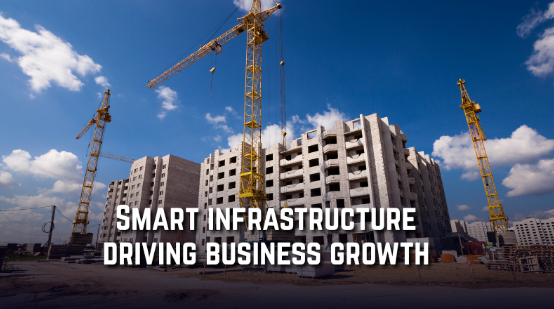
In an era defined by rapid urbanization and evolving business demands, commercial construction has become a driving force behind economic expansion and competitive growth. Modern enterprises require infrastructure that not only supports operations but also enhances efficiency, flexibility, and long-term sustainability. As industries diversify and markets become more dynamic, smart infrastructure plays a crucial role in shaping how businesses operate, scale, and succeed.
The Evolution of Commercial Spaces in Modern Cities
Commercial spaces have transformed significantly over the years, moving beyond traditional designs to incorporate advanced planning and innovative solutions. Today’s developments are designed to accommodate multiple functions, ensuring that businesses can operate seamlessly in fast-paced environments.
From corporate offices and retail outlets to mixed-use developments, modern commercial structures are built with adaptability in mind. These spaces are no longer static; they evolve alongside the businesses they support. The integration of intelligent design and efficient resource utilization allows organizations to maximize productivity while maintaining a strong brand presence.
This shift has made commercial construction a key contributor to urban growth, enabling cities to meet the needs of expanding industries and a growing population.
Designing for Efficiency and Functionality
Efficiency lies at the core of successful commercial infrastructure. Every aspect of a building, from layout to materials, must be carefully planned to ensure optimal performance. Strategic space planning helps create environments that promote collaboration, streamline workflows, and enhance user experience.
Modern commercial buildings emphasize open layouts, natural lighting, and flexible configurations. These features not only improve employee productivity but also create a more engaging and comfortable environment for customers and stakeholders.
Advanced engineering techniques ensure that buildings are structurally sound while maintaining aesthetic appeal. By combining functionality with design excellence, commercial spaces can achieve a balance that supports both operational and visual objectives.
The Role of Technology in Smart Infrastructure
Technology is revolutionizing the way commercial buildings are designed, constructed, and managed. Smart infrastructure integrates digital solutions that enhance efficiency, security, and sustainability.
Automated systems for lighting, climate control, and energy management allow businesses to reduce operational costs while maintaining optimal conditions. Real-time monitoring systems provide valuable insights into building performance, enabling proactive maintenance and efficient resource allocation.
Digital connectivity is another critical aspect of modern commercial spaces. High-speed communication networks and integrated IT systems support seamless operations, ensuring that businesses can function efficiently in a connected world.
Sustainability as a Core Construction Principle
Sustainability has become a fundamental consideration in commercial construction. Businesses are increasingly prioritizing eco-friendly practices that reduce environmental impact while delivering long-term benefits.
Green building techniques, such as energy-efficient systems, sustainable materials, and water conservation measures, are now standard in modern projects. These practices not only contribute to environmental preservation but also result in significant cost savings over time.
Sustainable commercial spaces also enhance brand value, reflecting a commitment to responsible development. As environmental concerns continue to grow, integrating sustainability into construction strategies has become essential for long-term success.
Adapting to Market Demands and Business Growth
The ability to adapt is a defining characteristic of successful commercial infrastructure. As market conditions change and businesses evolve, buildings must be able to accommodate new requirements without significant disruption.
In rapidly developing regions, Commercial Construction in Dubai exemplifies this adaptability. Projects in the city are designed to meet the needs of a diverse and growing economy, supporting industries ranging from finance and technology to retail and hospitality.
Strategic Planning and Project Execution
Behind every successful commercial project is a well-defined strategy that aligns with business objectives. Effective planning ensures that every phase of construction, from concept to completion, is executed with precision and efficiency.
Project management plays a crucial role in coordinating resources, managing timelines, and maintaining quality standards. By adopting a structured approach, developers can minimize risks and ensure that projects are delivered on schedule.
Collaboration between architects, engineers, and contractors is essential to achieving the desired outcomes. This integrated approach ensures that all aspects of the project are aligned, resulting in high-quality infrastructure that meets both functional and aesthetic requirements.
Enhancing User Experience Through Smart Design
Modern commercial spaces are designed with the end user in mind. Whether it is employees, customers, or visitors, the experience within a building significantly impacts its overall effectiveness.
Features such as intuitive layouts, comfortable environments, and accessible facilities contribute to a positive user experience. Smart design also incorporates safety and security measures, ensuring that occupants feel protected and confident.
By prioritizing user-centric design, commercial buildings can create environments that not only support operations but also enhance satisfaction and engagement.
Conclusion
Smart infrastructure continues to redefine the future of commercial construction, enabling businesses to thrive in competitive and ever-changing markets. From innovative design and technological integration to sustainability and adaptability, modern commercial spaces are built to support long-term growth and efficiency. As cities expand and industries evolve, the demand for high-quality infrastructure will only increase. Partnering with experienced construction contractors in dubai ensures that commercial projects are executed with precision, delivering spaces that meet the highest standards of performance, functionality, and durability.